Understanding White Spots on Skin – Can They Be Linked to Cancer?
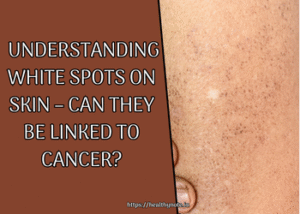
Understanding White Spots on Skin – Can They Be Linked to Cancer? – White spots or patches on the surface of the skin are often regarded as minor problems; however, these white spots on the skin may sometimes be associated with serious health concerns. While most causes of white spots or patches on the surface of the skin will be associated with minor conditions, such as loss of pigmentation or infections due to fungi, it is important never to ignore any white spots or patches that persist or evolve over time. Rarely, white spots or patches on the skin may be early manifestations of certain skin cancers. Understanding the significance of any of these color changes in your skin helps you to act early to become more aware of the importance of noticing changes in your skin.
Also Read : The Power of Morning Sunlight – A Natural Way to Boost Your Health

Understanding White Spots on Skin – Can They Be Linked to Cancer? – Common Reasons Behind White Spots
There are numerous reasons for white patches, so it’s important to identify what is causing the patches:
- Pigmentation Disorders: Conditions such as vitiligo can affect the skin cells responsible for producing melanin. In these cases, white patches occur because the skin is losing its production of melanin and not that the whiteness is due to the loss of the melanin.
- Fungal Growth: An infection such as tinea versicolor usually causes uneven skin tone, usually white or pale patches.
- Sun Damage: Over time, exposure to UV rays causes damage to skin cells, leading to discolored patches on the skin.
- Nutritional Deficiency: A lack of vitamins like B12 or vitamin D can cause changes in pigmentation.
Most of these conditions are readily treatable, but it is worth having evaluated by a physician when a patch remains unhealed or chronic and changing skin patches may interfere with future treatment.
Understanding White Spots on Skin – Can They Be Linked to Cancer? – When to Suspect a Cancerous Cause
Skin cancer can sometimes show up as pale, white, or scaly areas that are different from your normal skin. Here are some warning signs to look for:
- A patch that gets bigger over time
- White or clear spots that are rough or elevated to the touch
- Sores that do not heal or return after healing
- Spots that are accompanied by itching, burning, or bleeding
Basal cell carcinoma, a common type of skin cancer, can sometimes be seen as white or skin colored patches, which is often mistaken for scars or dry skin.
Understanding White Spots on Skin – Can They Be Linked to Cancer? – Diagnosis and Health Checkup
If you have noticed unusual areas of white skin that have lasted for weeks, a dermatologist may do a skin biopsy or examination under magnification. An early diagnosis will allow treatment to begin in a timely fashion, while also giving chance for the condition to worsen or spread.
How to Protect Your Skin
- Use an SPF of 30 or higher sunscreen every day of the year, even if you are inside.
- Avoid prolonged exposure to the sun, especially during peak hours.
- Eat an abundance of foods that are high in vitamins A, C, and E to help repair skin.
- Be aware of any new or changing spots during a self-exam.
- See a doctor if you have a family history of skin cancer.
Treatment Alternatives
The majority of skin cancers are treatable if caught early. The treatments might consist of laser removal, topical treatment, cryotherapy, or all of the above depending on the condition of the skin and severity of symptoms. Follow up appointments will be vital for complete healing and confirmation/reassurance of no recurrence of symptoms.
Understanding White Spots on Skin – Can They Be Linked to Cancer? – Conclusion
Understanding White Spots on Skin – Can They Be Linked to Cancer? While white spots themselves may look benign in nature, noticing changes related to skin markings may be life-saving. With most cases being noncancerous, one or more could give early evidence of malignant growth. The best prevention tools are consistent use of sunscreen, regular skin checks at home, and promptly getting checked when something changes. Healthy skin is not about appearance, it is about awareness.