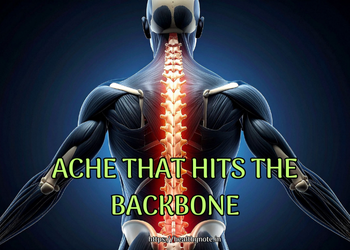
Ache That Hits the Backbone
Ache That Hits the Backbone : It’s common for someone to experience a low-grade, persistent soreness located just above the tailbone. You proceed with your normal daily activities thinking everything is actually normal, until one day you realize that you’ve been walking, bending, sitting and stretching for weeks/ months with this continual dull pain accompanying you wherever you go. Many individuals will often disregard the cause of the heaviness on the spine until it becomes unmanageable and requires immediate action before further destitution occurs.
Also Read : Healing the Gut, Calming the Mind
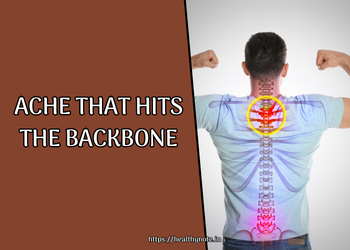
Why Backbone Ache Begins
Usually, an individual develops a backache when there is excessive tension on the muscles, bones and nerves that support the spine. An individual may have had a backache all of a sudden or an individual may have a gradual onset due to repetitive behaviours. The most frequent causes of backache include:
- prolonged periods of sedentary behaviour without suitable support;
- slumping into poor postures during daily activities;
- tension in your back muscles caused by stress;
- sudden movements such as lifting, pulling, twisting;
- weak abdominal muscles; and
- previous injuries that arise from time to time. By knowing these types of injuries, an individual can be better prepared to prevent damage to their spine.
Signs of Problems with Your Spine
Pain in your back isn’t always obvious or immediate. There are many other subtle signs to pay attention to that may indicate that you have issues with your spine.
Ache That Hits the Backbone – These may include:
- Feeling as though the area between your shoulder blades or lower back is “heavy” (as if there is something pulling on them from below).
- Feeling “pulled” when you are getting up from sitting, bending or lifting something.
- Feeling “tight” muscle symptoms (like stiff arms/hands) incidental to the spine area.
- Pain radiating into your hips or upper back.
- Difficulty finding a comfortable seating position for any amount of time.
- Fatigue after even minimal effort related to movement or weight training.
If you are experiencing any of the above signs and symptoms, you could be putting too much stress on your spine and require care from a qualified doctor in order to decrease the amount of stress you are placing on it.
These methods relieve discomfort by relaxing the spine.
Use:
- Warm pack on painful area
- Controlled breathing to relax muscles
- Gentle stretching for the mid and lower back
- Taking short walks for circulation improvement
- Avoid lifting heavy objects and sudden movements
- Supportive cushion or pillow when sitting.
These methods may take some time but will ultimately relieve discomfort gradually.
Ache That Hits the Backbone – Releasing Spinal Tension Without Injury
Your spine is better able to heal if you apply gradual, gentle movements instead of harsh exercises and/or excessive stretching.
Some safe ways to release spinal tension include:
- Lying supine with knees bent – this helps relieve pressure from your spine
- Performing slow, gentle pelvic tilts
- Using a stationary dorsal roller, while rolling your shoulders back and away from your body to create shoulder blades that are more spread out; this will also help open up your chest area – valuable for good posture
- Performing gentle, light hip flexor exercises to decrease pulling on your spine
- Resting if you feel like your spine is too tight or under too much strain
When done appropriately, the above-mentioned activities will help you heal, as opposed to causing further injury.
Ache That Hits the Backbone – Conclusion
As long as the spine is supported regularly by the body, it will stay strong and healthy. However, if the spine has not been supported properly by the body and is always in a state of discomfort or fatigue, then the spine will become weaker over time. By utilizing gentle methods such as being mindful of your posture, performing slow stretching types of exercise, keeping yourself warm, and taking time to rest, you can assist in healing and regaining strength to the spine, but the relief will happen over a period of time instead of instantly.